Retaining walls
- Segmental and timber
- Drainage designed in
- Permits handled
- Free estimates
Get a free estimate
Tell us where the job is and we’ll get you a local quote.
By submitting this form you agree that Hydroseeding VA may share the details you provide with one or more independent local contractors, and that they and we may contact you by phone, text or email about your enquiry — including by automated dialling or prerecorded message. Consent is not a condition of any purchase and you can withdraw it at any time by replying STOP or telling the caller. Message and data rates may apply. See our privacy policy and terms.
When a wall is the right answer
Most slopes do not need a wall. Cover, matting and sensible drainage handle the majority of residential grade problems for a fraction of the cost, and we will say so if that is what your site needs.
A wall earns its place when the slope is too steep to hold vegetation at all, when you need usable flat ground you do not currently have, or when the ground is actively moving. That last one is worth dwelling on in this region: parts of the Virginia Piedmont sit on shrink-swell clays that crack open in drought and heave when wet. They move fences, they move patios, and they move walls that were not built for them.
They also destroy walls that were built without drainage, which is the single most common failure we are called to look at.
Walls fail from behind
A leaning or bulging wall almost never failed because the blocks were weak. It failed because water got behind it and had nowhere to go.
No drainage stone
Clay backfill against the wall holds water, and saturated clay is heavy and pushes. A drainage zone of clean stone behind the wall gives the water somewhere to be.
No drain pipe
The stone has to lead somewhere. A perforated pipe at the base, daylighted out, is what turns a drainage zone into drainage.
No geogrid
Above a certain height a segmental wall needs reinforcement layers tying back into the soil. Stacking blocks higher without it is how walls end up leaning out.
Built on unprepared ground
A compacted base of the right depth, level and properly prepared. Cutting this corner shows up as a wavy top course within two seasons.
Two things to ask a wall contractor
Retaining walls for landscaping purposes sit inside Virginia’s Landscape Service Contracting specialty at DPOR — the definition names them explicitly, alongside excavation, clearing and grading.
The licence class depends on what the job is worth, not what it involves:
| Class | Single project | 12-month total |
|---|---|---|
| Class A | $150,000 or more | $1,000,000 or more |
| Class B | $30,000 to under $150,000 | $250,000 to under $1,000,000 |
| Class C | Over $1,000 to under $30,000 | Under $250,000 |
Start to finish
No surprises in the middle.
Look at the slope, not the wall
Half the time the answer is regrading and cover rather than a structure. We would rather tell you that than sell you a wall.
Height, load and what is above it
A wall holding a bank is a different structure from one holding a driveway. Surcharge changes the design, and above certain heights an engineer signs off.
Drainage designed before blocks
Stone zone, perforated pipe, outlet. Decided at design, not improvised on site.
Base preparation
Excavated, compacted, levelled. Slow, unglamorous, and the reason the wall is still straight in ten years.
Build, backfill, stabilise
Built in lifts with backfill compacted as it goes, then the ground above and below stabilised so the wall is not fighting erosion as well as soil.
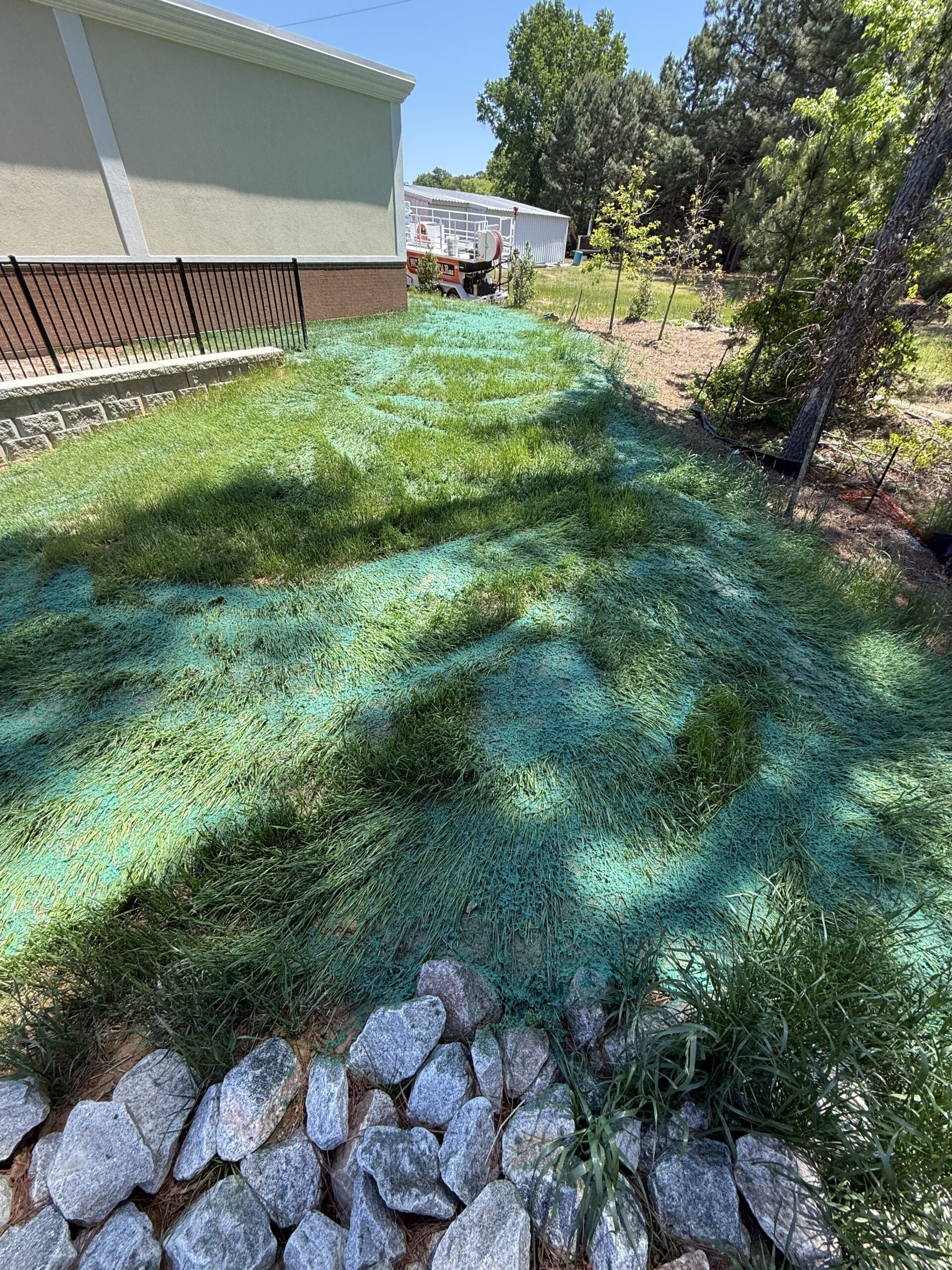
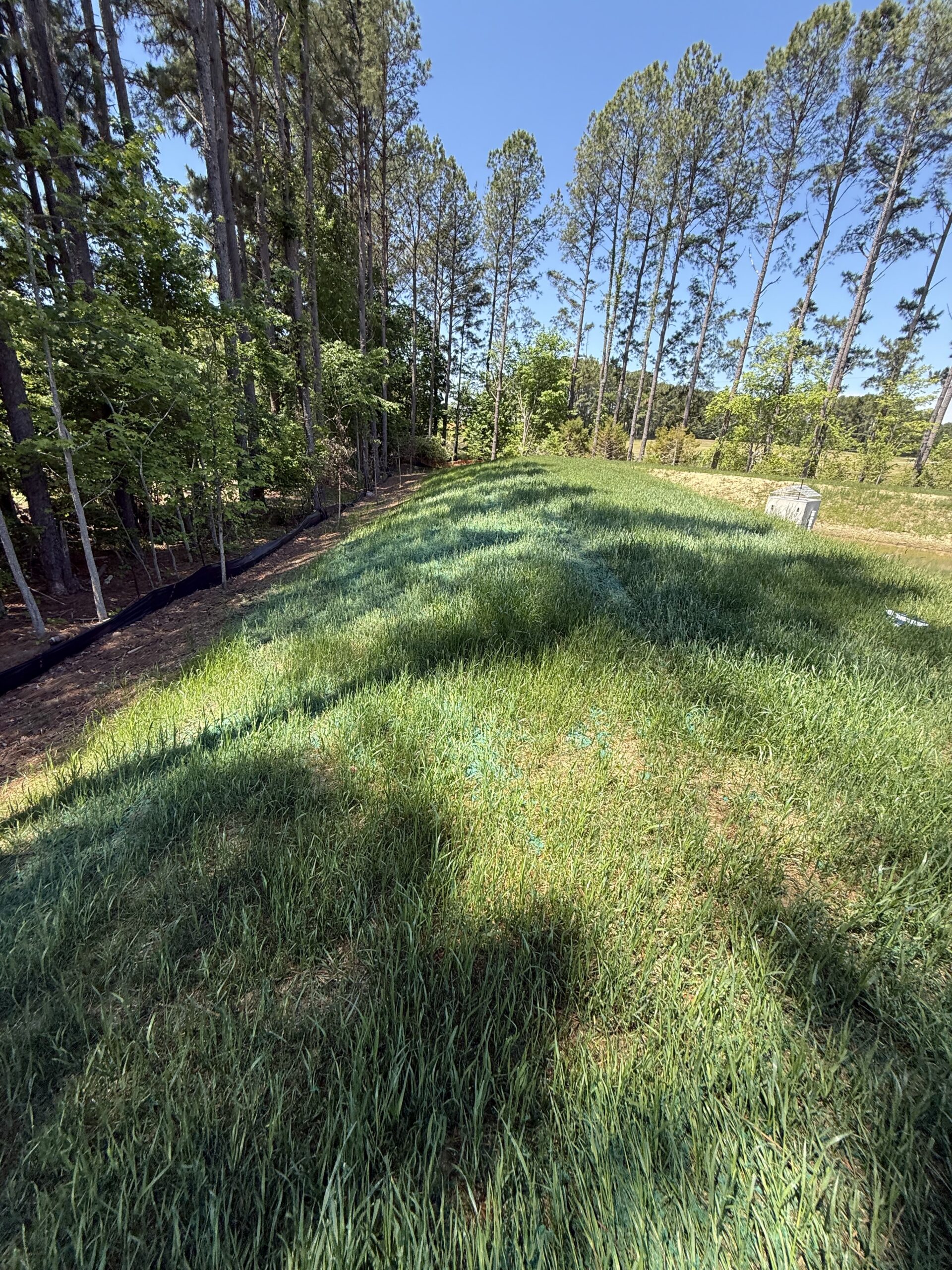
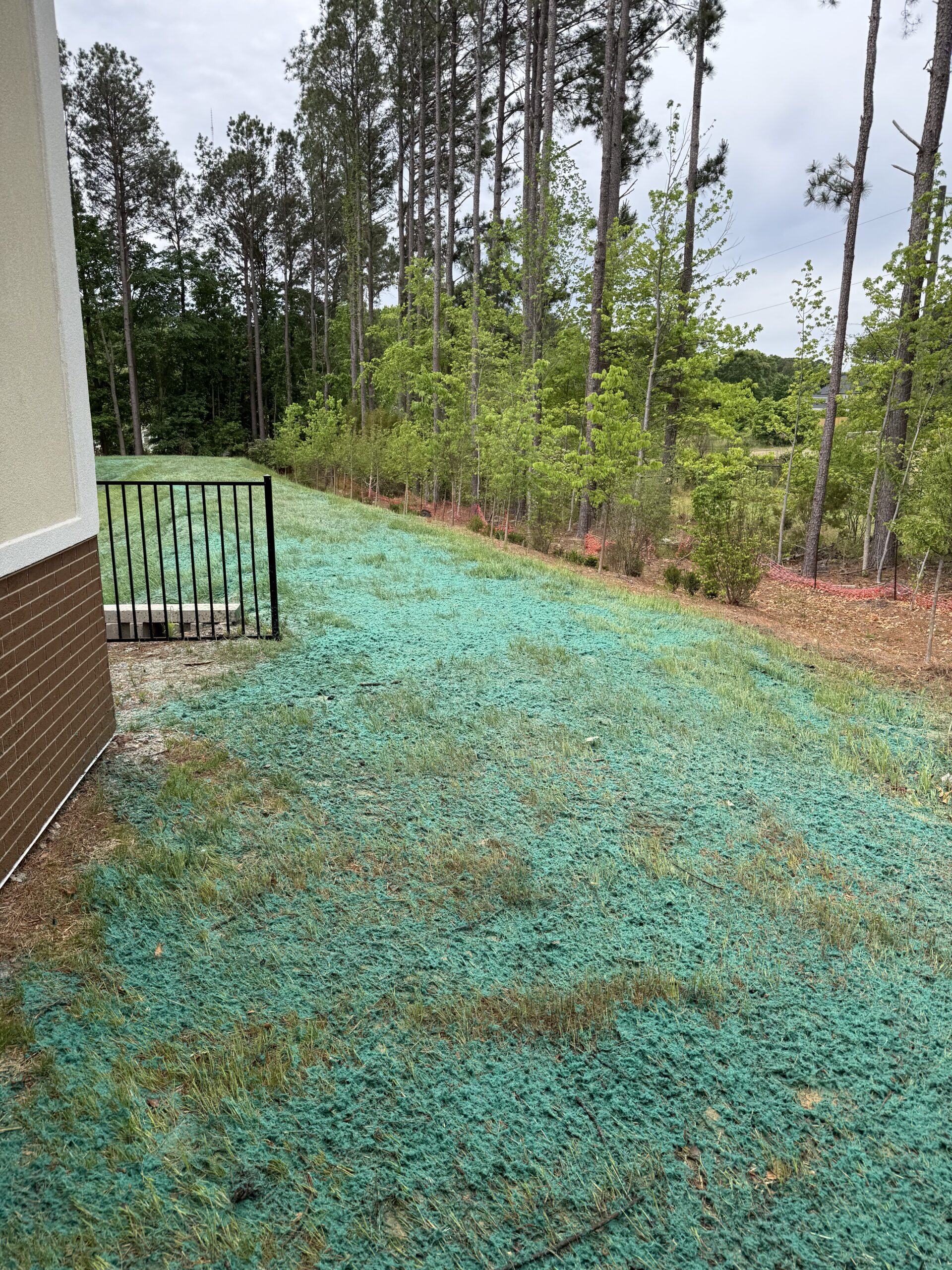
Recent work
Across the Richmond metro.
Common questions
Do I need a permit for a retaining wall?
It depends on height and on how much ground you disturb building it. The disturbance often matters more than the wall — in Richmond city, 4,000 square feet of disturbance triggers a permit regardless of what you are building, and 2,500 inside a Chesapeake Bay Preservation Area.
How high can a wall go without an engineer?
It varies by locality and by what the wall is holding. As a rough guide, once you are past about four feet, or the wall is carrying a surcharge like a driveway, expect engineering. We will tell you before you commit, not after.
Timber or block?
Timber is cheaper and has a service life measured in a couple of decades in this climate. Segmental block costs more and lasts longer, and handles curves and height better. On shrink-swell clay, segmental is more forgiving of movement.
My existing wall is leaning. Can it be fixed?
Sometimes, and the answer depends on why. Drainage failure caught early can occasionally be corrected by retrofitting drainage behind the wall. A wall that has rotated because it was built without a base or geogrid usually needs rebuilding.
Will you seed around it afterwards?
Yes, and it matters. A new wall with bare slope above it is a wall that gets undermined. Stabilising the ground around it is part of the job, not an upsell.
Get a quote
Tell us the site, the size and roughly when. We’ll come back with a local price.
Ready when you are
Tell us what the site needs and roughly how big it is. We’ll match you with a crew that works your county and get you a written price.
- Call
- (757) 936-8185
- hydroseedingva@gmail.com
- Where we work
- Richmond city, Henrico, Chesterfield, Hanover, Goochland, Powhatan and New Kent
Get a free estimate
Tell us where the job is and we’ll get you a local quote.
By submitting this form you agree that Hydroseeding VA may share the details you provide with one or more independent local contractors, and that they and we may contact you by phone, text or email about your enquiry — including by automated dialling or prerecorded message. Consent is not a condition of any purchase and you can withdraw it at any time by replying STOP or telling the caller. Message and data rates may apply. See our privacy policy and terms.