Hydroseeding and erosion control in New Kent County
- Free estimates
- Local crews
- Erosion control and seeding
- 2 permit trigger
Get a free estimate
Tell us where the job is and we’ll get you a local quote.
By submitting this form you agree that Hydroseeding VA may share the details you provide with one or more independent local contractors, and that they and we may contact you by phone, text or email about your enquiry — including by automated dialling or prerecorded message. Consent is not a condition of any purchase and you can withdraw it at any time by replying STOP or telling the caller. Message and data rates may apply. See our privacy policy and terms.
What triggers a permit in New Kent County
Erosion control gets treated as a commercial-site problem because the federal threshold is a full acre. In Virginia it is nothing like that, and in this part of the state it is smaller again.
| Rule | Disturbance that triggers it | Note |
|---|---|---|
| Federal (EPA NPDES) | 1 acre | The number most people have heard |
| Virginia, general | 10,000 sq ft | Four times stricter than federal |
| Virginia, inside a CBPA | 2,500 sq ft | Tidewater localities only, and only inside a mapped area |
| New Kent County | 2,500 sq ft inside a mapped CBPA, 10,000 sq ft elsewhere (state minimum) | Statutory minimum — confirm with the locality |
What's different about New Kent County
Three things worth knowing before you get quotes.
Coastal Plain, not Piedmont
The soil here is sandy and the landscape is nearly level to gently sloping. Infiltration is high and water erosion risk is lower than west of the fall line — but the ground is naturally infertile and droughty. The establishment risk shifts from washout to the seed simply drying out.
Sandy soil needs a different mulch rate
On Piedmont clay you are fighting runoff. Here you are fighting moisture loss. That argues for heavier mulch, tackifier, and a realistic watering plan rather than the blanket-and-perimeter approach that suits a clay slope.
Tidewater rules still apply
Flat ground does not exempt you. New Kent is a Tidewater locality with a Chesapeake Bay Preservation Area programme, and inside a mapped area the threshold drops to 2,500 square feet with a 100-foot Resource Protection Area buffer.
Recent work in New Kent County
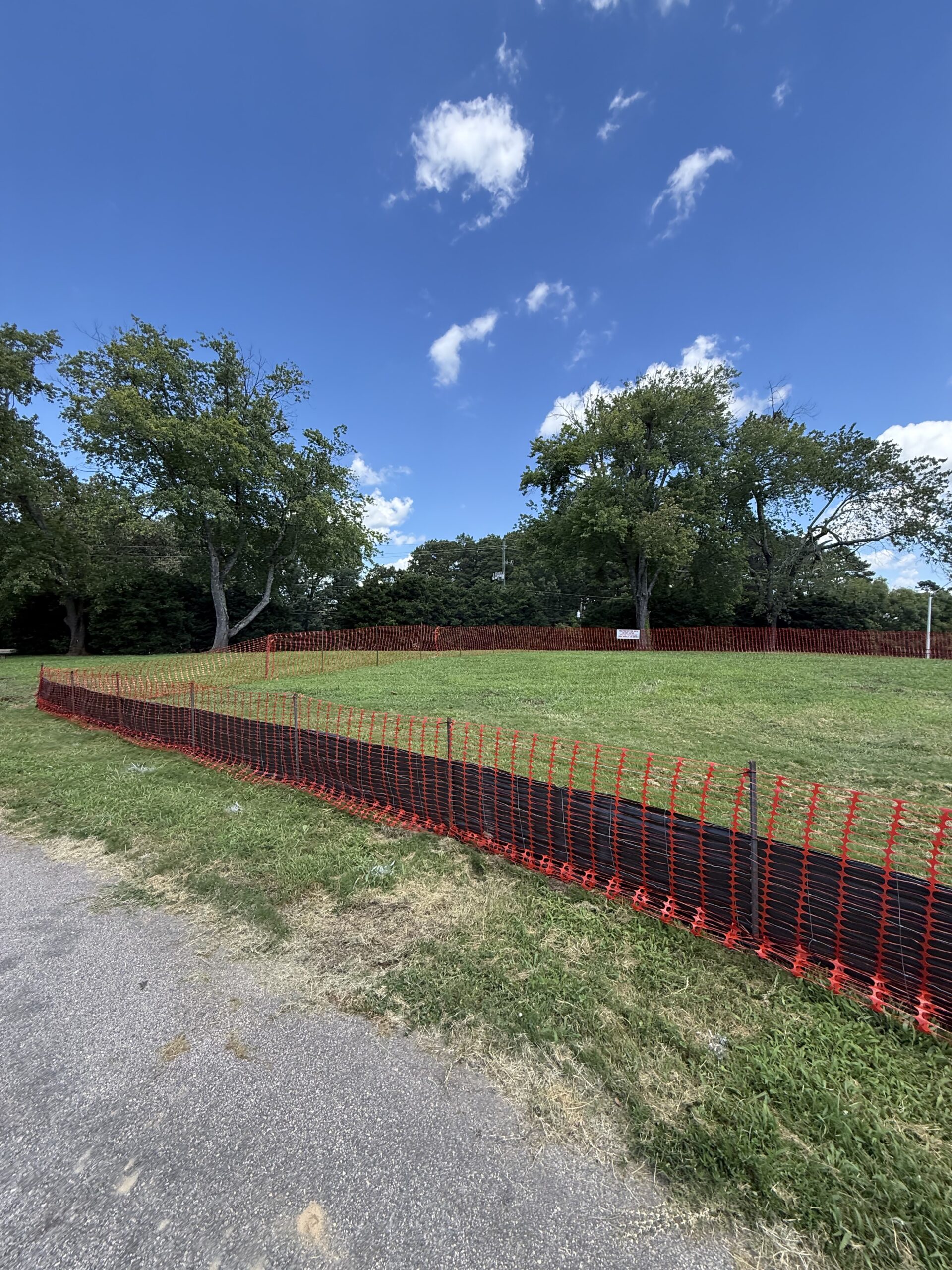
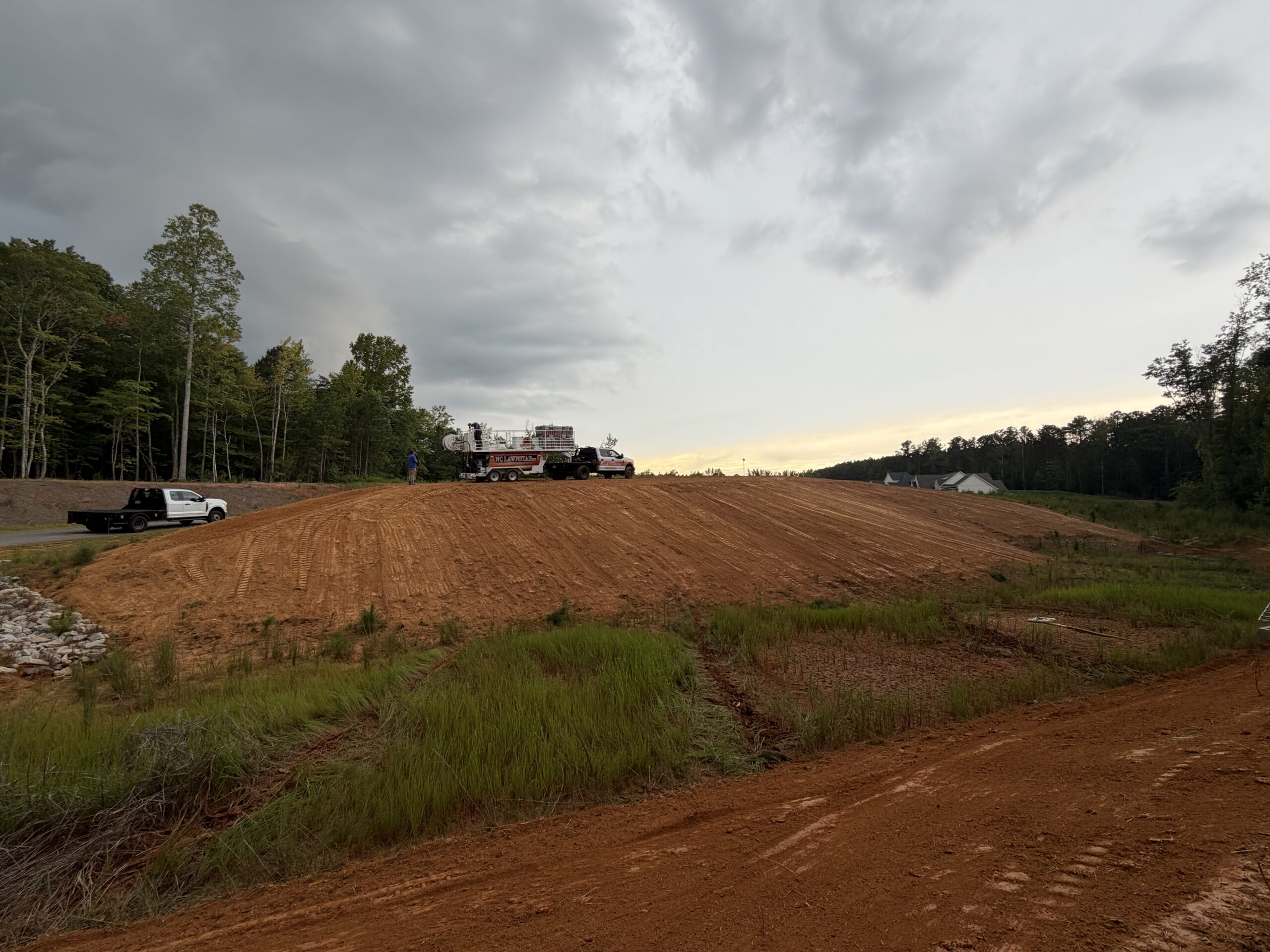
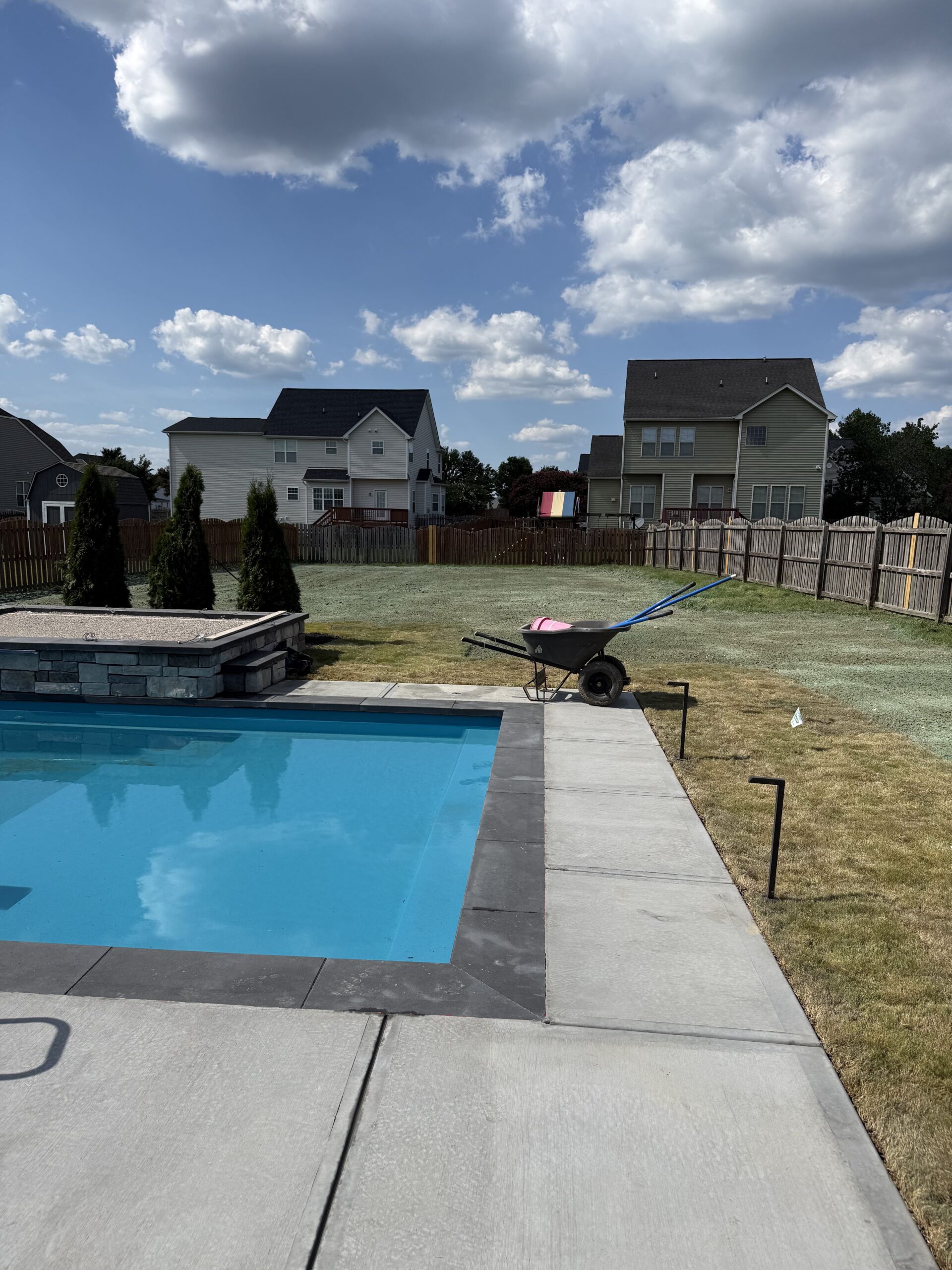
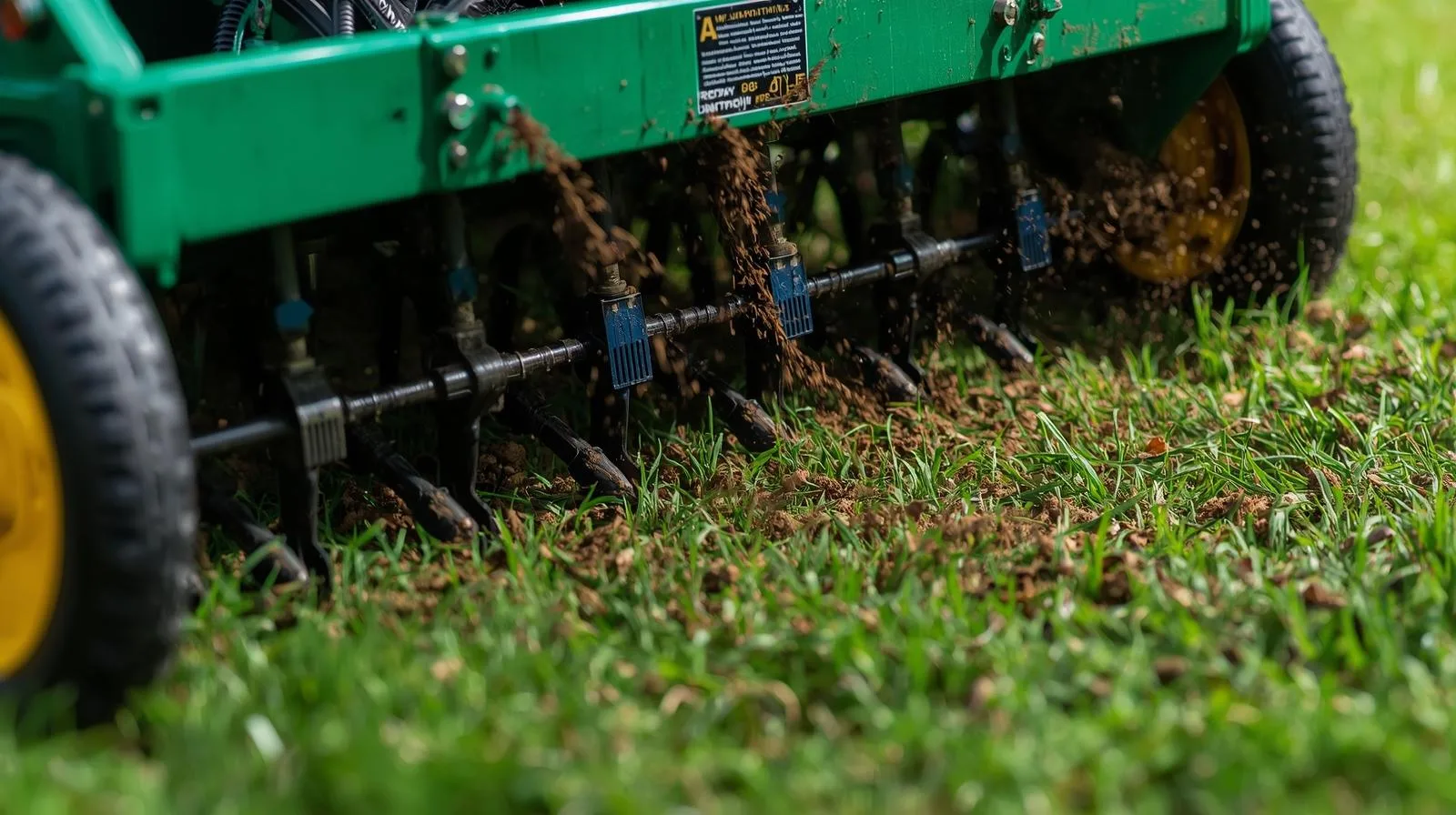
Sandy sites that dry out, gentle ground over large areas, and stands that never filled in.
Flat, sandy, and still regulated
New Kent is Tidewater, so it runs a Chesapeake Bay Preservation Area programme and the 2,500 square foot trigger applies inside mapped areas, with a 100-foot Resource Protection Area buffer. Gentle ground reduces the erosion risk; it does not remove the regulation, and people here are caught out by that more often than people on obvious slopes.
The ground is genuinely different from the western half of the metro. This is Coastal Plain: deep unconsolidated sediments, sandy surface textures, naturally infertile and droughty. Infiltration is high and the landscape is nearly level to gently sloping, so water erosion is a smaller threat than it is on Goochland clay. The risk moves to the seed simply drying out before it establishes.
That flips the method. On clay you are fighting runoff, so the answer is tackifier, blankets and fast cover. Here you are fighting moisture loss, which argues for heavier mulch rates, a realistic watering commitment, and organic matter worked in rather than relying on the native sand. A quote that offers the same specification on both sides of the fall line has not looked at the soil.
Bare ground to established lawn
Drag the handle. Bare Coastal Plain sand on the left, one growing season later on the right.
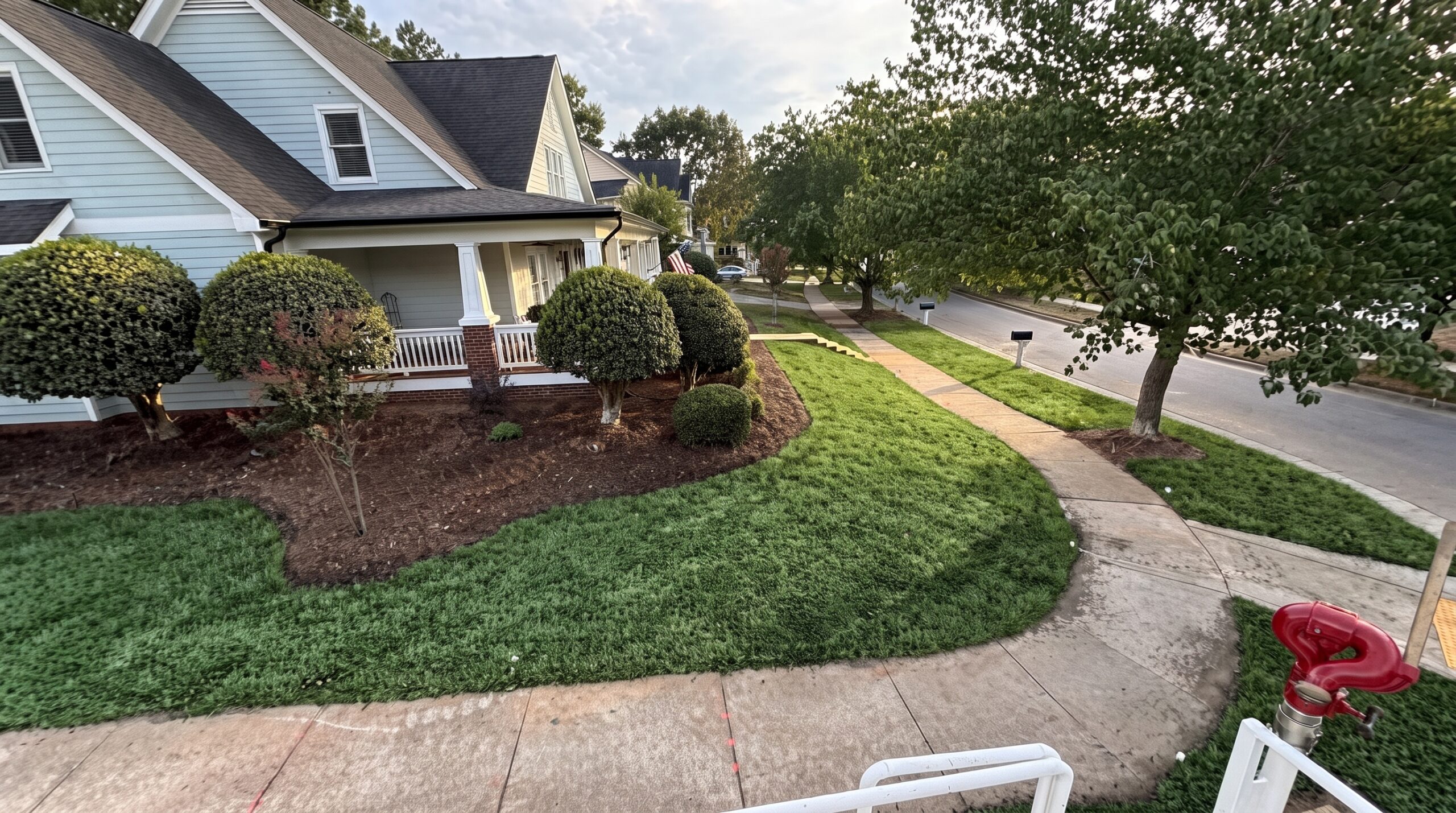
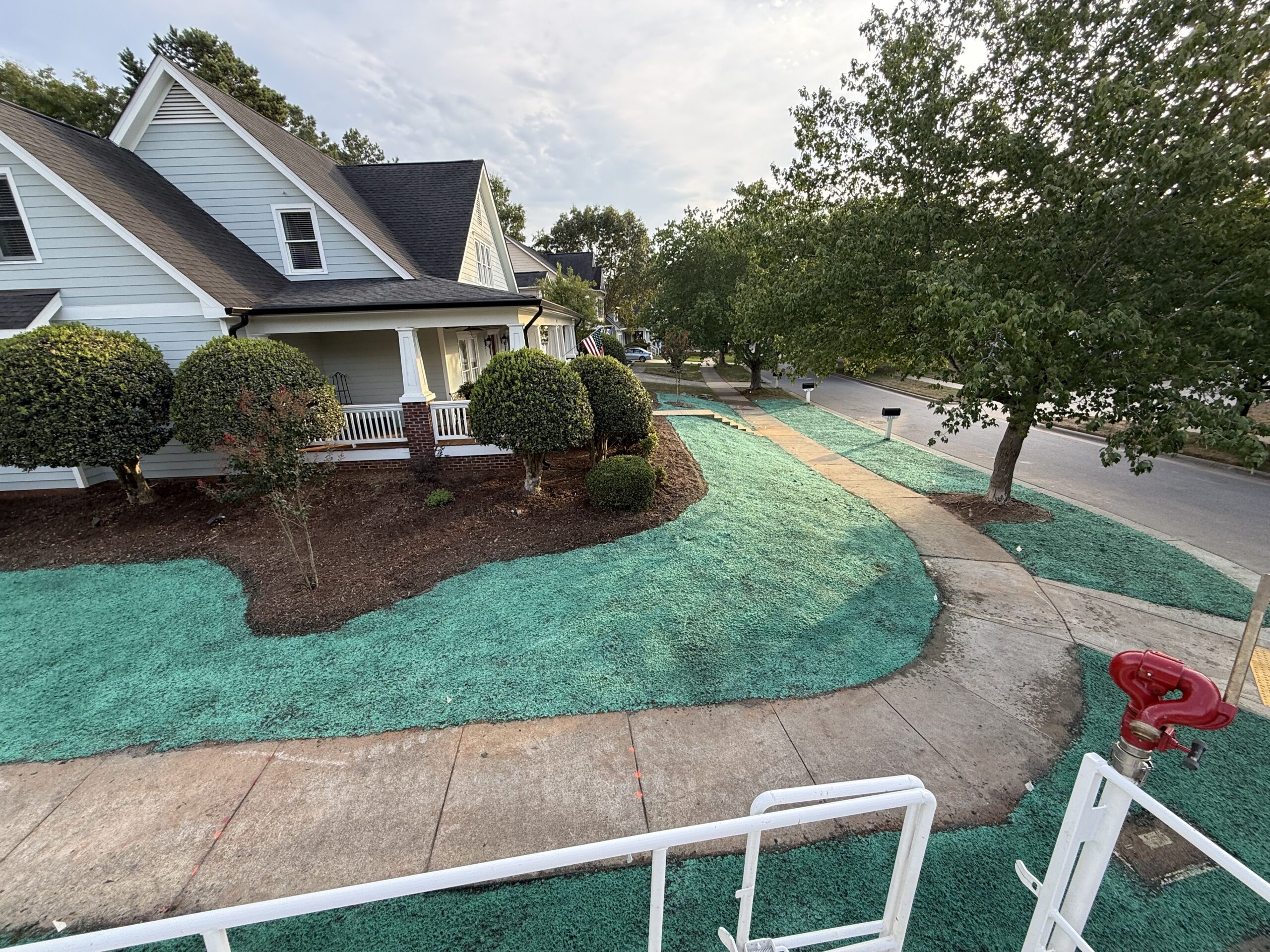 BeforeAfter — one season
Hydroseeding vs sod vs hand seeding
On sand the difference is whether the seed stays damp long enough to germinate.
| Hydroseeding | Sod | Hand seeding | |
|---|---|---|---|
| Cost per sq ft | $0.20 – $0.45 | 3 to 5 times higher | Cheapest up front, most likely to need doing twice |
| Holding moisture | Mulch mat holds water against the seed on droughty ground | Needs heavy irrigation to knit into sand | Seed dries out before it germinates |
| Gentle ground | Covers large flat areas quickly and evenly | Workable, but the cost gap widens with area | Patchy where the surface dries first |
| Sandy subsoil | Organic matter can be added with the slurry | Needs topsoil underneath to survive | Struggles without amendment |
| Grass choice | Any blend, matched to soil and light | Whatever the farm grew | Any blend |
| Usable lawn in | One growing season | 2–3 weeks | One to two seasons, patchy |
From tank to turf
Spray day in New Kent County, the fortnight after, and the result a season on.
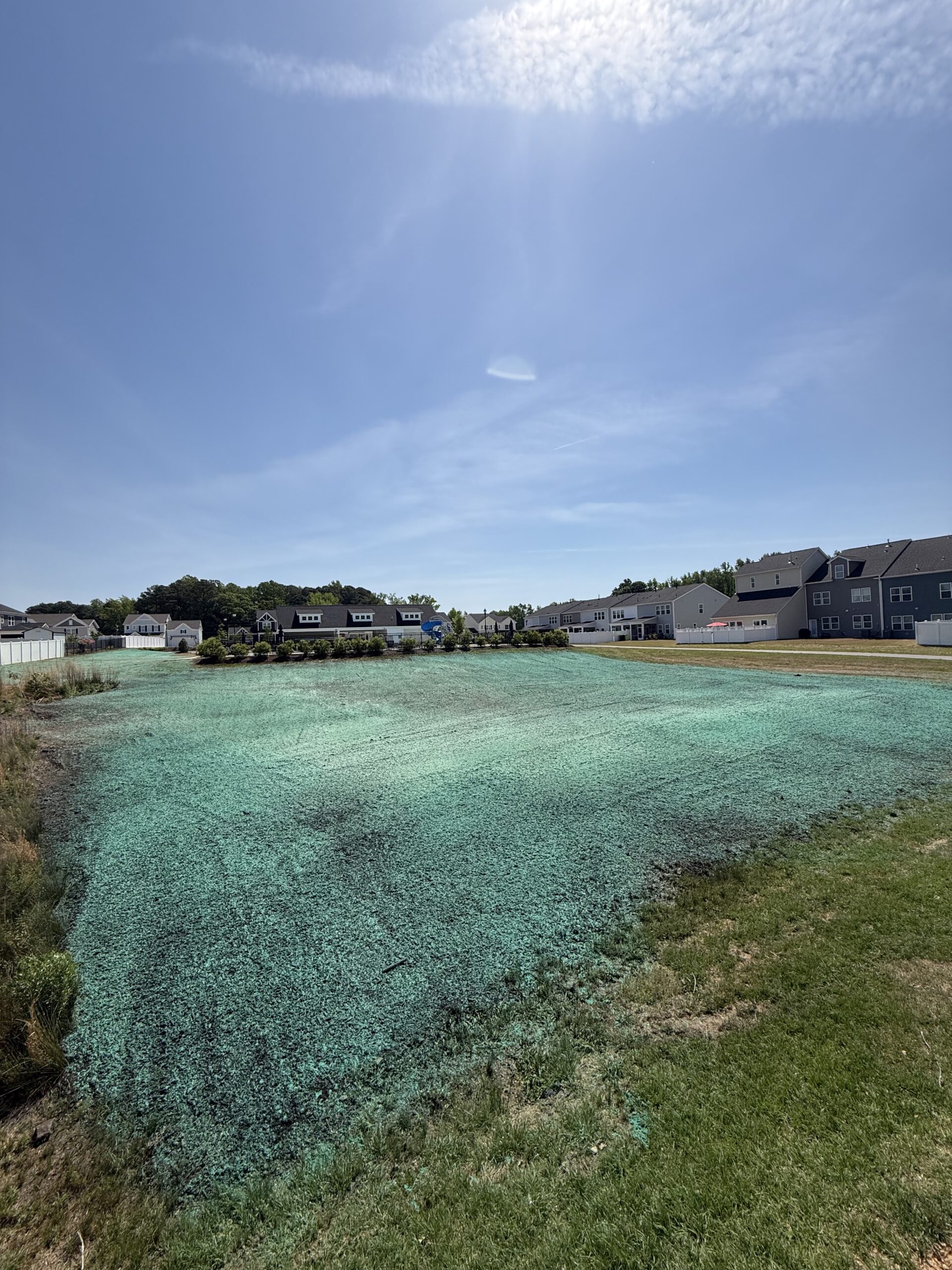
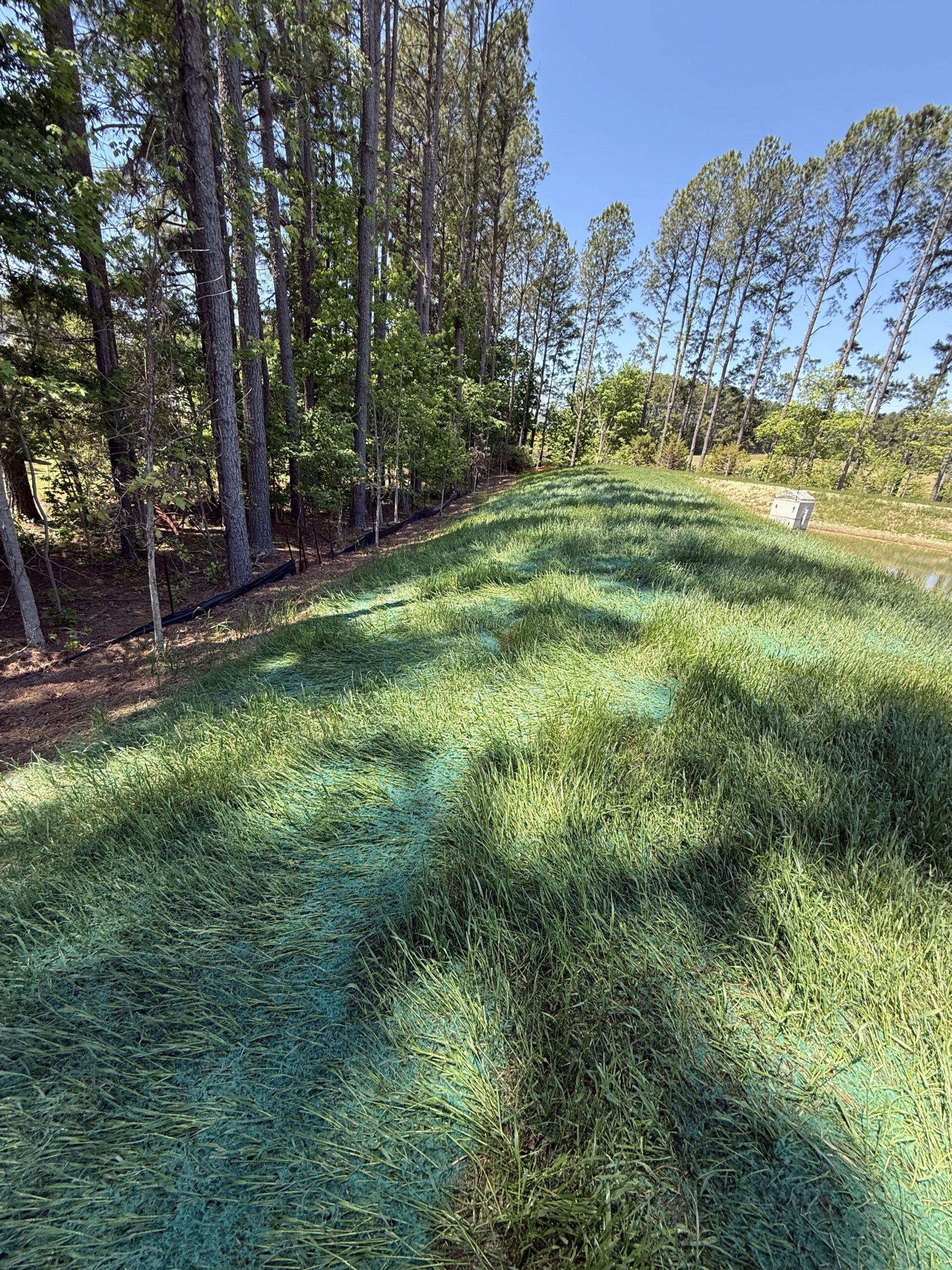
The paperwork in New Kent County
| Item | Detail |
|---|---|
| Permit | Single-family / residential land disturbance application packet |
| Administered by | County Code Chapter 94, Waterways — Chesapeake Bay Preservation Areas |
| Chesapeake Bay Preservation Area | Yes — mapped areas only |
| Ground | Coastal Plain — sandy, flatter, higher water table |
| RPA buffer | 100 ft vegetated buffer where mapped |
Work we cover in New Kent County
Sandy ground changes what works. Tell us which you need and we’ll get you a local price.
New Kent County questions
Flat ground — do I still need erosion control?
Yes. New Kent is a Tidewater locality with a Chesapeake Bay Preservation Area programme, and inside a mapped area the trigger is 2,500 square feet with a 100-foot Resource Protection Area buffer. Gentle slopes reduce the erosion risk; they do not remove the regulation.
How is sandy soil different to seed?
On Piedmont clay you are fighting runoff. Here you are fighting moisture loss — the ground is naturally infertile and droughty, with high infiltration. That argues for heavier mulch, tackifier and a realistic watering plan rather than the blanket-and-perimeter approach that suits a clay slope.
Is the water table an issue?
It can be. Coastal Plain sites east of the fall line sit on deep unconsolidated sediments with a higher water table than the Piedmont, which affects drainage design and can rule out some options entirely. Worth flagging when you ask for a quote.
Is the estimate really free?
Yes, and nothing is owed if you decide against it. Tell us the address and roughly how big the job is and you will get a real number from a crew that works your county.
Hydroseeding near you in New Kent County
Places we quote in New Kent County. If your address is inside the county, we cover it.
- New Kent Court House
- Providence Forge
- Quinton
- Talleysville
- Barhamsville
- Lanexa
- Bottoms Bridge
- Cumberland Landing
- Eltham
New Kent County on the map
New Kent County sits east of the fall line, which is why the method here differs from the other side of the metro.
Get a free New Kent County estimate
Tell us the address and roughly how big the job is. You’ll have a real price from a local crew, usually the same day. No obligation.
Ready when you are
Tell us what the site needs and roughly how big it is. We’ll match you with a crew that works your county and get you a written price.
- Call
- (757) 936-8185
- hydroseedingva@gmail.com
- Where we work
- Richmond city, Henrico, Chesterfield, Hanover, Goochland, Powhatan and New Kent
Get a free estimate
Tell us where the job is and we’ll get you a local quote.
By submitting this form you agree that Hydroseeding VA may share the details you provide with one or more independent local contractors, and that they and we may contact you by phone, text or email about your enquiry — including by automated dialling or prerecorded message. Consent is not a condition of any purchase and you can withdraw it at any time by replying STOP or telling the caller. Message and data rates may apply. See our privacy policy and terms.